Tengri alemlerni yaratqanda, biz uyghurlarni NURDIN apiride qilghan, Turan ziminlirigha hökümdarliq qilishqa buyrighan.Yer yüzidiki eng güzel we eng bay zimin bilen bizni tartuqlap, millitimizni hoquq we mal-dunyada riziqlandurghan.Hökümdarlirimiz uning iradisidin yüz örigechke sheherlirimiz qum astigha, seltenitimiz tarixqa kömülüp ketti.Uning yene bir pilani bar.U bizni paklawatidu,Uyghurlar yoqalmastur!

Tuesday, February 26, 2008

Tajikistanliq Alim Sherqiy Türkistan Islam Jumhuriyiti Heqqide Kitab Yazdi
2007.12.24
Muxbirimiz ümidwarning bu heqtiki toluq melumati
Awaz köchürüsh


Tajikistanliq tarix penliri doktori kamal abdullayéw yéqinda 1917- Yilidin 1937- Yilighiche bolghan ariliqta ottura asiyada yüz bergen köchmenlik tarixi mesilisi heqqide bir kitab yazghan bolup, mezkur kitabning xéli köp betliri 30- Yillardiki uyghur élining siyasiy tarixigha béghishlanghan. Kamal abdullayéw kitabining bir bölümini " shexslerning tarixi, tulpar at - Ma jungying" dep atighan bolup, mezkur bölek ottura asiyada tarqitilidighan intérnét tor béti -"Perghane.Ru" da élan qilindi.


Moskwa rus köchmenlirini qozghilangni basturushqa ishletken
Kamal abdullayéwning mezkur esirining birinchi qisimi 1931- Yilidiki xoja niyaz hajim rehberlikidiki qumul qozghilingidin tartip, gensudiki tunggan küchlirining majungyingning bashchiliqida uyghur éligha chiqishi hemde ularning uyghurlar bilen birliship, jin shurén we shéng shiseyge qarshi élip barghan küreshliri, sowét ittipaqining buninggha tutqan pozitsiyisi hemde moskwaning xitay militaristi shéng shiseyni yölep turghuzup, hetta eyni waqittiki sowét rusiyisining düshmenliri hésablinidighan qachaq "aq oruslar"ni qorallandurup, uyghur we tunggan qozghilangchilirini meghlup qilghanliqi sözlinidu.


Sherqiy türkistan islam jumhuriyitining yoqitilishidiki asasiy sewebler
Aptorning esirining bu bölümining ikkinchi qismida mexsus uyghur élining jenubida yüz bergen qozghilanglar we sherqiy türkistan islam jumhuriyitining dölet teshkilati, milliy terkibi we sowét ittipaqi hem etraptiki döletlerning tutqan muamilisi we bashqilar sözlinidu.


Aptorning qarishiche, sowét ittipaqi qeshqerde qurulghan sherqiy türkistan islam jumhuriyitige nahayiti soghuq muamilide bolghan bolup, sewebi, bash ministir sabit damollam türk, ereb we afghanistanliq meslihetchiler bilen qorshiwélinghan. U, engiliye bilen xupiyane alaqide bolup, londonning qollishigha érishmekchi bolghan hemde xéli kop döletlerge özlirini étirap qildurush üchün elchiler ewetken idi. Yene bir ehwal shuki, sherqiy türkistan islam jumhuriyitide uzun mezgil sowét ittipaqigha qarshi qoralliq heriket qilip, basmichiliq bilen eyiblengen janibék qazi, yüsüpjan qurbéshi qatarliq kishiler muhim salahiyetke érishken. Etraptiki afghanistan we engiliye hergizmu ashkara halda bu hökümetni qollashqa jüret qilalmighan. Sherqiy türkistan jumhuriyiti yene xitay qoshunliridin bashqa tungganlar bilenmu élishqan.


Kamal abdullayéwning qarishiche, omumen qilip éytqanda, eyni waqitta sherqiy türkistan jumhuriyitining birmu dosti bolmighan bolup, uning etrapi düshmenler bilen tolghan. Ene shundaq sewebler tüpeylidin mezkur yéngi hökümet nahayiti tézlik bilen yoq qilinghan.


Aptor ma jungyingning teqdirining sirini pash qilalmidi
Tajikistan tarixchisi kamal abdullayéw uyghurlarning 30- Yillardiki mezkur siyasiy tarixini yorutush üchün rusche, ingilizche we bashqa tillardiki matériyallar hem bezi arxip matériyalliridin paydilanghan bolup, asasiy merkiziy nuqtisini sowét ittipaqining sherqiy türkistan siyasitige qaritip, moskwaning bu jayda meyli uyghurlarning, meyli shéng shiseyning, we yaki tungganlarning qandaq xaraktérdiki bolsun, musteqil bir dölet qurushigha yol qoymighanliqini xulasilaydu. Biraq, u sherqiy türkistan islam jumhuriyitini öz qoli bilen yoq qilghan ma jungyingning ish tamam bolghandin kéyin qeshqerdiki sowét konsulxanisi bilen alaqiliship, moskwagha ketkenlikini yazsimu, lékin, uning axirqi teqdirige ait sirlarni pash qilishqa we yene bezi sirlarni échip bérishke muweppeq bolalmaydu.


Aptorning qarishiche, 1917- Yili ottura asiyada char padishah hakimiyiti yimirilgendin kéyin, bolshéwiklar hakimiyetni igilesh bilen ottura asiya xelqlirining musteqilliq we bolshéwiklargha qarshi heriketliri bashlandi. Biraq, bu qarshiliqlar basturulush bilen xulasilinip, nurghunlighan kishilerning afghanistan, sherqiy türkistan we bashqa jaylargha köchüp kétish dolquni qozghaldi. Rus köchmenliri bolsa, sowét ittipaqi we xitay millitaristlirining zorlishi bilen ular teripide turup yerlik xelqlerni basturushqa qatnashsa, musulman köchmenliri yerlik uyghur qatarliq xelqlerning qozghilanglirigha aktip qatnashti hemde meghlubiyetke uchrighandin kéyin ikkinchi qétim bashqa döletlerge qéchishqa mejbur boldi. Bashta birliship jeng qilghan uyghurlar bilen tungganlarning siyasiy meqset we idéologiye jehettiki perqi tüpeylidin kélip chiqqan ziddiyetler we ularning munasiwetlirining buzulushi her ikkila terepke éghir aqiwetlerni élip keldi.


Nöwette, uyghurlarning yéqinqi zaman siyasiy tarixi xelqarada belgilik qiziqish qozghimaqta. (Ümidwar)


Uyghurche
© 2007 Radio Free Asia
Munasiwetlik maqalilar
Radio Free Asia
2025 M Street NW, Suite 300, Washington DC 20036, USA 202-530-4900
uygweb@rfa.org RFA Jobs
© 2005 Radio Free Asia

Sunday, February 24, 2008


Sherqiytürkistan Birliki Teshkilati Kölinde Paaliyet élip Bardi


Mushu ayning 23-küni Kölinde Sherqiytürkistan birliki teshkilati bilen Ezerbeyjan* teshkilatleri 1992-yili 25- Féwralda Ezerbeyjan Jumhuriyitining Qarabagh wélayitide yüz bergen kolléktip qetliam we 1997-yili 5- Féwralda Wetinimiz Sherqiytürkistanda yüz bergen qanliq Ghulja qirghini munasiwiti bilen birlikte xatirlesh paaliyiti élip bardi.


Erméniye döliti 1992-yili 25-Féwralda Ezerbeyjan Jumhuriyitining Qarabagh wélayitige hujum qilip, Qarabaghdiki Xujaliq kentide xuddi xitay hökümiti Barin we Ghulja Sheherliride élip barghan qanliq weqelerge oxshap kétidighan hadésilerni keltürüp chiqarghanidi. U weqede 613 tin artuq adem qirghingha uchridi, ularning ichide qolida tömürning suniqimu bolmighan 106 din artuq ayal, 83 tin artuq nareside we 70 tin artuq yashanghan buway-mumaylar bar bolup, shu qétimqi qirghinda 56 kishi xuddi Barin we Ghulja qiz-yigitliridek insan qélipidin chiqqan derijide éghir iskenjige uchrap hayatidin ayrilghan.Bezilliri tirik turghuzup köydürülüsh we közliri we tirnaqlirini oyiwétishtek wehshiyliklerge uchrighan. Otta köydürülgenler we her türlük éghir jismaniy qiynaqqa uchrighanlar ichide basqunchiliqqa uchrighan xanim-qizlar, éghir ayaq anilar we ana-bala hemralarmu bar.


Xelqara médie orunliri we kishlik hoquq teshkilatlirining raporliridin melum bolishiche, u qétimqi esheddiy qirghin sewebidin 25 bala ata-anisidin, 130 bala anisidin yaki dadisidin ayrilip qalghandin bashqa 6 aile birmu ezasi qaldurulmay qirip tashlanghan. 487 adem izdireksiz yoq bolghandin bashqa qéchip kételmigen qéri-chüre, ajiz- mejüz, ayallar we balilar bolup 1271 adem türmige tashlanghan. Ular ichide 150 kishi hazirghiche hepside éghir ten jazasi astida qiynalmaqta iken.


Teshkilatimizning bir qisim ezaliri bu künki paaliyet pursitidin paydilinip, Sherqiytürkistanda Xitay tajawuzchillirining dölet térori sewebidin yüz bériwatqan, Ezerbeyjanning Qarabagh wélayitining Xujaliq kentidikige oxshap kétidighan qetliamlar heqqide VCD, teshwiqat matériyali, Jornal we bayanatname qatarliqlarni tarqitip, Sherqiytürkistan xelqi duch kelgen milliy zulum, érqiy qirghin we iqtisadiy kirzis qatarliqlarni Gérman, türk xelqi we xelqara sayahetchilerge tarqitip ünümlük netijilerge érishti.


Teshkilatimiz bu qétimqi paaliyette uningdin bashqa biz bilen tamamen teqdirdash bolghan we dertlirimiz oxshap kétidighan Jenubiy Ezerbeyjan we Shimaliy ezerbeyjan xelqining teshkilatliri bilen dostluq we hemkarliq munasiwiti ornutishning deslepki asasini qurdi.


Bu paaliyet shu küni saet 11:30 da bashlinip, 16:30 giche dawam qildi we Kölinerdomning aldidin ötüwatqan 10 minglighan kishining diqqitini özige tartti.


____________________________________
Eskertish: *Ezerbeyjanlar Türkiy xelqlerning asasliq ezalirining biri bolup, hazir Ezerbeyjan Jumhuriyiti, Iran, Géorgiye, Iraq, Russiye, Ukrayin we türkiye qatarliq rayonlargha tarqalghan , omumiy nopusi 30 milyondin ashidu. Ular érqiy alahidilik, til, étiqat, medeniyet, edebiyat-senet we örpi-adet tereplerdin büyük türkistan rayonida yashap kéliwatqan bashqa türkiy xeliqlerge qarighanda Uyghurlargha alahide yéqin turidu.


Siyasiy jehettin qarighanda Ezerbeyjan Tupraqlirini Shimayil ezerbeyjan we jenubiy Ezerbeyjan dep ikkige ayrip bayan qilishqa bolidu. Shimaliy Ezerbeyjan hazirqi musteqqil Ezerbeyjan Jumhuriyitini körsetse, jenubiy Ezerbeyjan hazirqi Iran Islam Jumhuriyitining téritoriyesi ichide turmaqta. Ularning nopusi Ezerbeyjan Jumhuriyitide 10 milyon etrapida bolup qalghan 20 milyongha yéqin Ezerbeyjan xelqi hazirqi Jenubiy ezerbeyjanda yeni Iran téritoriyesi ichide yashimaqta we milliy musteqilliq herkitini qanat yaydurmaqta.


Sowétler hakémiyiti aghdurulup, uning ichidiki bashqa xelqler qatarida Ezerbeyjan xelqimu azat bolup, musteqil jumhuriyitini qughan bolsimu, barliq Ezerbeyjan xelqliri özlirining siyasiy meqsetlirige yétip, birlikke kelgen, toluq hoquqluq bir milliy döletni hazirghiche wujutqa chiqiralmidi. 1990-yillardiki hazirqi Ezerbeyjan dölitining musteqilliqini élan qilishi we Jenubiy Ezerbeyjan (Iranda)da yüz bergen bir qatar weqeler, bügünki kündiki Ezerbeyjan xelqining xelqaralishiwatqan milliy oyghunush herkitini barliqqa keltürdi.


Sherqiytürkistan Birliki Teshkilati Teshwiqat Merkizi


24-Fewral, 2008 Frankfurt/Gérmaniye

Tuesday, February 19, 2008

Kosowaning Musteqilliqi Bir - Birlep Étirap Qilinishqa Érishmekte
2008.02.18


Muxbirimiz Ümidwarning bu heqtiki toluq melumati

Kosowa prézidénti fatmiz séjdyu, bash ministir hashim taji qatarliqlar, kosowaning yéngi musteqilliq bayriqini xeliqqe sunmaqta. AFP Photo
17 - Féwral küni, amérika qatarliq bir qisim döletler resmiy étirap qildi. Emma, sérbiye, rusiye buninggha qarshi chiqqan. Kosowaning musteqilliq élan qilishi xelqarada zor ghulghula qozghidi.


Kosowa erkin, igilik hoquqluq we démokratik dölet


17 - Féwral küni kosowa parlamént alahide yighin chaqirip, kosowa musteqilliqi xitabnamisini maqullidi hemde shu küni nechche on minglighan kosowaliqlarning parlamént meydanigha toplinip, yangratqan alqish sadaliri we tenteniliri ichide musteqilliq jakarlinip, musteqilliq xitabnamisi oqup ötüldi. B b s agéntliqining xewer qilishiche, kosowa bash ministiri hashim tachi musteqilliq xitapnamisini élan qilip, 17 - Féwraldin étibaren kosowaning pexirlik, musteqil we erkin döletke aylanghanliqini, kosowaning emdi musteqil, igilik hoquqluq hem démokratik dölet ikenlikini jakarlighan.


Xewerlerdin qarighanda, kosowa hökümiti yene dunyadiki 192 döletke mektup yollap, özlirining musteqilliqini étirap qilishni hem qollashni telep qilghan.
Qaynam tashqinliq menzire

Kosowaliqlar kochida musteqilliqni tentene qilmaqta.

AFP Photo
B b s agéntliqining xewerlirige asaslanghanda musteqilliq jakarlanghan küni kosowaliqlar özlirining musteqilliqini eng zor qaynam - Tashqinliq bilen tentene qilishqan bolup, sheher merkezliri, kochilirida top - Top bolushqan albanlar kosowa dölet naxshisini hemde özlirining milliy naxsha - Sazlirini yangritip, musteqilliq xushalliqini ipadileshken. Kishiler kosowaning dölet bayriqi kötiriship, bir - Birini tebrikleshken, musteqilliq ten - Tensi ikki kündin buyan izchil dawamlashmaqta.


Shuning bilen bir waqitta yene tamlargha amérika, engiliye qatarliq döletlerning kosowaning musteqilliqini qollighanliqigha rehmet éytish mezmunidiki teshwiqat matériyallirini chaplanghan. Biraq, 18 - Féwral küni bélgradtiki amérika elchixanisi aldida sérb milletchilirining naraziliq namayishi bolup ötken.


Xelqaraliq inkaslar


Kosowa musteqilliq jakarlighandin kéyin aldi bilen sérbiye hökümiti buningdin qattiq narazi bolghan. Sérbiye prézidénti sérbiyining kosowani qetiy étirap qilmaydighanliqini bildürgen, sérbiye bash ministiri bolsa, kosowaning musteqilliqi jakarlishini eyiblep, bu bir saxta dölet" dep atighan.

2007 -Yili 10 - Dékabir küni, yawropa parlaménti bash ishtabida yighin ötküzdi. Yighinda, EU ning tashqi ishlar bashliqi solana ependi bilen rusiye tashqi ishlar ministiri pikir almashturmaqta.


Rusiye itartas agéntliqining uchurlirigha asaslanghanda, rusiye hökümitining muawin bash ministiri buninggha naraziliq bildürüp, rusiyining kosowani tonumaydighanliqini eskertip, shuningdek b d t bixeterlik kéngishining jiddiy yighin chaqirishini telep qilghan hemde kosowaning musteqilliq jakarlishining b d t bixeterlik kéngishining qararigha hemde sérbiyining igilik hoquqigha shuningdek xélsinki höjjitige xilap ikenlikini körsetken. Rusiye parlaméntining ikki palatasimu bu heqte bayanname élan qilip, qarshi turghan.


18 - Féwral küni amérika tashqi ishlar ministiri kandiliza rayis amérika hökümitining kosowaning musteqilliqini étirap qilghanliqini resmiy élan qilip, kosowaliqlarni tebrikligen. Afriqidiki besh dölette ziyarette boluwatqan amérika prézidénti jorj bush tanzaniyide washingtonning kosowaning musteqilliqini étirap qilidighanliqini bildürgen bolup, u " hazir kosowa xelqi musteqil boldi" dégen.


Amérika awazining xewiride körsitilishiche, prézidént bush sözide, "bizning meydanimiz shuki ,birinchidin kosowaning orni mesilisi balqanning weziyiti muqim bolghan ehwal astida hel qilinishi lazim. Ikkinchidin amérika b d t elchisi astixarining kosowa heqqidiki layihisini qollaydu, üchinchidin kosowa hökümiti ochuq halda sérblerning kosowadiki hoquqini qollaydighanliqini bildürdi, buning bilen amérika ilham hés qildi. Amérika ishiniduki, amérika yawropa ittipaqi bilen birlikte sérbiyining menpeetige uyghun terepte turidu, sérbiyilikler bilishi lazimki, ularning amérikidek dosti bar. Axirida amérika yawropa ittipaqi bilen birlikte zorawanliq bolmasliqigha kapaletlik qilidu" dep tekitligen.


Afghanistan tashqi ishlar ministiri sultan exmed afghanistan hökümitining kosowaning musteqilliqini étirap qilidighanliqini jakarlighan

Kosowaliqlar kochida musteqilliqni qaynam - Tashqinliq ichide tentene qilmaqta. AFP Photo


Xitay tashqi ishlar ministirliki düshenbe küni bu mesile heqqide resmiy meydanini ipade qilghan bolup, tashqi ishlar ministirlikining bayanatchisi lyu jenchaw bayanat élan qilip, junggoning kosowaning musteqilliq jakarlishigha "qattiq köngül boluwatqanliqi" hem "chongqur biaramliq hés qiliwatqanliqi" ni bildürüp, "bu bir terepning herikiti" dégen hemde mezkur heriketning bir qatar aqiwetlerni keltürüp chiqirishi mumkinliki" ni eskertken. Emma, teywen tashqi ishlar ministirliki bolsa, kosowaning musteqilliqini tebrikligen.


Yawropa ittipaqi yighin chaqirghan bolup, yawropa ittipaqigha eza döletlerning köpinchisi kosowaning musteqilliqini étirap qilishqa qoshulghan bolsimu, biraq, ispaniye, siprus, grétsiye hem romaniye qatarliq döletler qoshulmaydighanliqini, eger uni étirap qilghanda, bashqa bölünüshni xalawatqanlar üchün xata signal bérip qoyulidighanliqini seweb qilip körsetken. Yawropa ittipaqi 2000 din artuq saqchi, edliye we bashqa sahege mensup xadimlarni ewetip, musteqilliq jakarlanghandin kéyinki tertipni saqlashqa heriket qilghan.


Engliye, fransiye bolsa, yawropa ittipaqidiki barliq ezalarni kosowaning musteqilliqini étirap qilish mesiliside pikir birlikige kélishni teshebbus qilghan. Türkiye tashqi ishlar ministirliki bayanat élan qilip, kosowaning musteqilliqini étirap qilghan.


Uningdin bashqa yene latwiye, éstoniye, bolghariye qatarliq memliketlermu qisqa waqit ichide étirap qilidighanliqini eskertken.


Sabiq sowét ittipaqidin ayrilip musteqil bolghan qazaqistan, qirghizistan, özbékistanlarning meydani téxi éniq emes, emma, latwiye, éstoniye, bolghariye yaponiye hökümetliri bolsa, kosowaning musteqilliqini étirap qilishqa teyyarliq qiliwatqanliqini bildürgen.


Qisqiche ehwali


Kosowa balqan yérim arilidiki sérbiyining gherbiy jenubigha jaylashqan bolup, albaniye,makédoniye qatarliq döletler bilen qoshna, ahalisi ikki milyon bolup, albanlar %90 tin artuq. Yugoslawiye fédératsiyisi dewride kosowa sérbiye jumhuriyitining bir aptonom ölkisi bolup, 1945 - Yili yugoslawiye fédératsiyisi qurulghandin buyan kosowaliqlar aptonom jumhuriyet hoquqini dewa qilghan. Tito ölgendin kéyin, kosowaliqlarning milletperwerlik heriketliri téximu kücheygen bolup, 1989 - Yili, sérbiye rehbiri miloshowich ularni basturghan. Lékin, ularning qarshiliqi buning bilen toxtap qalmighan bolup, 1992 - Yili kosowa jumhuriyitini élan qilip, sérbiyidin ayrim bolghanliqini élan qilghan hemde musteqilliq üchün dawamliq heriket qilghan. 1996 - Yili kosowa azadliq armiyisini qurup, sérbiye armiyisi bilen urush qilip, özlirining hoquqlirini qoghdighan.


Ikki terep arisidiki urush dehshetlik tüs alghan bolup, 1998 - Yili amérika bashliq shimaliy atlantik okyan ehdi teshkilati esker kirgüzgen hemde 1999 - Yili yugoslawiye qoshunlirini bombardiman qilghan. Ene shuningdin étibaren kosowaning teqdiri mesilisi köp qétim muzakire qilinghan bolup, amérika we yawropa ittipaqi kosowaning musteqilliqini qollighan bolsimu, biraq, rusiye we sérbiye buninggha izchil qarshi turup kelgen idi. (Ümidwar)


Uyghurche


© 2008 Radio Free Asia
Munasiwetlik maqalilar


Xitay béyjing olimpik musabiqisining bixeterlikige kapaletlik qilalamdu?
" Térrorchi" bash ministirning küresh musapisi
10 Yil burunqi "térrorist" bügün bash ministir
Wang lishongning neziridiki saxta ray sinash doklati
Rusiye, xitay we iran kosowa mesiliside xelqara qanun we prinsiplarni depsende qilmaqta
Kosowa musteqilliq herkiti halqiliq basquchta
Teywen birleshken döletler teshkilatigha eza bolup kirelemdu?
Xongkong sumrugh téléwiziye tor bétide, höseyin jélil qatarliq uyghur musteqilchiliri heqqide maqale
Chén shüybyen: hayatliqimda teywenning musteqilliqini körelishim mumkin
Mushu esirdiki yéngi dölet- Sherqiy timorda ikkinchi qétimliq prézidént saylimi boluwatidu
Béshkekte bir uyghur özige ot qoyup hayatidin ayrildi

Dostigha yollash
Xewerge mushteri bolush
Torda anglashqa yardem
Qoyghuchi köchürüsh
Dolqun süzgüch


Radio Free Asia
2025 M Street NW, Suite 300, Washington DC 20036, USA 202-530-4900
uygweb@rfa.org RFA Jobs
© 2005 Radio Free Asia

Saturday, February 09, 2008

Constituting the Uyghur in U.S.-China Relations: The Geopolitics of Identity Formation in the War on Terrorism

Strategic Insights, Volume I, Issue 7 (September 2002)
by
Gaye Christoffersen

Strategic Insights is a monthly electronic journal produced by the Center for Contemporary Conflict at the Naval Postgraduate School in Monterey, California. The views expressed here are those of the author(s) and do not necessarily represent the views of NPS, the Department of Defense, or the U.S. Government.
Click
here for a PDF version of this article.

Central Asia has been extraordinarily agitated since 9/11, which can be partly explained by a sense that a clash of Muslim and non-Muslim civilizations was spilling over into the region from Afghanistan, and partly explained by the U.S. military presence in the region. This agitation has overflowed into Xinjiang, with the Chinese PLA cracking down on Uyghur terrorists/freedom fighters. Western human rights groups have been rightly concerned that this crackdown is spreading a wide net, scooping up innocent Uyghurs in addition to the freedom fighters. China is accused of bandwagoning in the war on terrorism in a manner similar to Jakarta's effort to categorize Aceh separatists as al Qaeda-trained terrorists, and New Delhi's casting of Kashmir as part of the global terrorist threat.
Beijing expected the international community to accept its post-9/11 crackdown in Xinjiang as part of the global war on terrorism. The Chinese State Council in January 2002 issued a report East Turkestan Terrorist Forces Cannot Get Away with Impunity which detailed the extent of terrorist activities since 1990. The report listed more than 200 incidents that resulted in 162 deaths and 440 injuries, and included bombings, assassinations, armed assaults on government organizations, poison and arson, establishing training bases, and plotting riots such as the Yining incident in 1997.

In the past, Beijing had always publicly downplayed the level of violence in Xinjiang and tried to manage it discretely through state-to-state negotiations with Turkey and Pakistan, the two countries training Uyghur freedom fighters. For the past decade, Beijing has sought to quietly lobby Pakistan's secret service (ISI) to exercise some control on Xinjiang's Islamic activists who it was fully aware had received training and funding from ISI. Given this quiet approach, it is not surprising that Beijing's January 2002 report was met with disbelief by Western human rights organizations that accused Beijing of cracking down on peaceful demonstrators unconnected to terrorist organizations. The post-9/11 world moved beyond individual government management of domestic terrorists, as a global coalition formed under the auspices of the United Nations to manage this transnational threat. This new situation required Beijing to adapt to managing terrorism more openly, with greater scrutiny by the outside world.

Beijing's estimates of the extent of al Qaeda influence were overstated, with claims that there were 300 Uyghurs in Afghanistan in late 2001 and that all Uyghur separatists in Xinjiang were linked to al Qaeda. Later this was reduced to claims of 100 Uyghurs in Afghanistan, and altogether 1000 Uyghurs in Xinjiang trained by al Qaeda and the Taliban. That claim is supported by the United National Revolutionary Front of East Turkestan (UNRF), which also claimed that there were more than 100 Uyghurs in Afghanistan at that time helping the Taliban. The UNRF stridently opposes Sinification of Xinjiang, and is known to assassinate imams with pro-China views.

Although Uyghurs have a history as freedom fighters in Xinjiang, the United States had initially refused to recognize any al Qaeda involvement in Xinjiang even though there were numerous pre-9/11 reports of Taliban activity in Xinjiang. For example, the December 25, 2000 Turkistan Newsletter carried a UPI article, "Pakistan, China collide over Islam," that was based on information obtained from U.S. administration officials. The UPI article claimed that Chinese security forces had arrested 200 Taliban and other Islamic militants near China's border with Pakistan. They were charged with arming and training Muslim separatists in Xinjiang. It was only post-9/11 that Uyghur involvement with the Taliban was questioned.
Uyghur freedom fighters hope for a Kosovo-style humanitarian intervention by a U.S.-led military force into Xinjiang. Uyghur interest in U.S. support stems from a loss of previous protectors. During the 20th century, the USSR had always served as a refuge for Uyghurs as they fled Chinese rule. This accounts for the approximately 500,000 people in the Uyghur diaspora in Central Asia. Today, Russia and the Central Asian states are less sympathetic and more concerned that the Uyghur exiles they host had become increasingly Islamicized and radicalized by forces from outside the region during the 1990s. Their high rate of unemployment and extreme alienation make young Uyghur men receptive to recruitment by Islamic groups.

Kyrgyzstan feels most threatened because of the activities of the Islamic Movement of Uzbekistan (IMU) in the south. Kyrgyz consider Uyghur members of IMU to be mercenaries and terrorists. Both Kazakhstan and Kyrgyzstan have cracked down on Uyghur groups. The Kyrgyz Interior Ministry raided the Uyghur Liberation Organization, finding arms and ammunition, and evidence linking the organization to the March 2000 assassination of Nigmat Bazakov, leader of the Ittipak organization within the Uyghur diaspora. As a moderate, Bazakov had resisted a plan to assassinate Chinese Security Ministry officials visiting Bishkek. Uyghurs have been implicated in several assassinations and bombings in Kyrgyzstan, most recently a Chinese diplomat assassinated in Bishkek in June 2002. Bishkek handed over to Beijing the two Uyghurs charged with his killing.

The new geopolitical situation in Central Asia, the war on terrorism, the mixing of human rights issues with issues of terrorism, and the identity of "the Uyghur" have generated a debate in U.S.-China relations. Pro-Uyghur forces urge the U.S. government not to sacrifice Uyghur human rights in its cooperation with Beijing in the war on terrorism. Uyghur activists are hoping that, now that the U.S. military has established a presence in Central Asia, Uyghurs will receive U.S. support similar to that given to Tibetans in the past -- military training and arms transfers that assisted Tibetan terrorism against Chinese in Tibet. Uyghurs have constituted their identity as closely parallel to Tibetan identity, and thus worthy of comparable assistance, in a search for new patronage because they have lost the old patrons -- the Soviet Union and Central Asian states, the Taliban and al Qaeda.

The question seems to revolve around whether China is victimizing the Uyghur minority, using the war on terrorism as an excuse to violate their human rights, or whether China itself is a victim of the al Qaeda network, which had trained Uyghurs in Afghanistan for terrorist activities in Xinjiang. As both Uyghurs and Chinese attempt to take advantage of the current global war on terrorism that has transformed current Central Asian geopolitics, Uyghur identity has become malleable in the U.S.-China-Uyghur debate.

Constituting Uyghur Identity
The identity of the Uyghur people has always been fragmented, and their unity fragile. The war on terrorism threatens to further fragment the Uyghur community. How the Uyghurs are defined depends on who is defining them. There is an international dimension to constituting the Uyghurs.

With weak national identities, Uyghurs have been easily incorporated into the visions of outside powers and transnational movements. Since Uyghurs only loosely coalesced into a "nation," there are many fissures and fractures. As a result, there are said to be 20 different separatist groups in Xinjiang. Different groups of Uyghurs are drawn to different visions, leaving Uyghurs more deeply divided than they might otherwise be.

The war on terrorism began for China after the collapse of the Soviet Union, which opened up the Central Asian region for proselytizing. The Taliban saw an opportunity to build a Pan-Islamic region. Pakistan saw an opportunity to encircle India with this Pan-Islamic arc. Turkey also revived its dream of a Pan-Turkic region, which would give it a seat on the U.N. Security Council. Each of these visions found Uyghur recruits.

Western and Chinese discourse on "the Uyghur" tends towards making essentializing arguments that assume there is a "Universal Uyghur" with an unchanging essence and fixed properties, whether living in Xinjiang, the Central Asian diaspora, Afghanistan, Turkey, Germany or the United States. Uyghur identity formation, difficult to begin with, is complicated further by outside forces attempting to construct a monolithic identity that would fit their particular vision. It is their essentializing imagery that victimizes Uyghurs by forcing them to assimilate to alien visions. The vast majority of Uyghurs in Xinjiang have no voice in world affairs, instead becoming the object of the politics of representation by outside forces.

Globalizing Visions From Afar
What is driving this social construction of "the Uyghur" by outside forces is an expectation that Uyghurs, with their fragmented and weak identities, could easily be incorporated into an alien vision of what the Uyghur should be. It is possible to discern four different alien/foreign visions that have attempted to colonize Uyghurs and reconstruct their identity. There are consequently perhaps four different identities available to Uyghurs that in part, but not entirely, correspond to an alien vision. Each vision has an emphasis on one type of human rights, a site for training Uyghurs, and a dark side of their project to transform the Uyghur.

1. Chinese (and Russian) Communist Vision. Spans most of the 20th century; parallel Soviet and Chinese projects of Russification or Sinification of Central Asians, to encourage them in goals of modernity: economic development, industrialization, and secularization. Both socialist countries hoped to create socialist men and women out of Turkish minorities. China's recent Western Development program is the latest effort.

Human Rights: Economic rights are given priority over all other rights
Site for Training Uyghurs: Han Chinese universities. The Islamic Institute of China, a national religious college that trains Islamic scholars who support the Chinese Communist Party.

Projected World Order: Central Asia maintains stability through secular, modernizing governments linked through the Shanghai Cooperation Organization. Established in 1996 in Shanghai, and originally called the Shanghai Five, the regional organization has from the beginning been a means for governments to cooperate in cracking down on separatist and religious terrorism.Russification in the Central Asian Uyghur diaspora, and Sinfication in Xinjiang, has made more progress than is usually acknowledged by Uyghur radicals. After the collapse of the Soviet Union, many Central Asians retained identities from the Soviet legacy while some looked towards Afghanistan. A lament of Turkic activists is the ease with which Uyghurs assimilate either in China or in the Central Asian diasporas after migrating there. Within the Central Asian diaspora, Uyghurs identify themselves as being "Russian" (50% of the diaspora has Russified), or even state that they have "no nationality." These assimilated Uyghurs are criticized for not having a "Turkic" national identity, and are sometimes assassinated by radical Islamists.
Dark Side of the Vision: Uyghur loss of cultural identity and second class citizenship in a Sinified or Russified society. Uyghur government employees are discouraged from entering Mosques, and threatened with losing their jobs if they do. Uyghur military officers and soldiers feel less trusted.Beijing holds fast to the vision of economic development and modernization, secularization, and Sinification. The problem with the Chinese vision is that it benefits very few Uyghurs. It is estimated that 90% of the unemployed are Uyghur. Southern Xinjiang's economy where Uyghurs are concentrated needs to be better integrated with the relatively prosperous Northern Xinjiang economy where Han concentrate in Urumqi. Beijing resents other outside powers impinging on this Sinified modernization with their alternative visions.
2. Pan-Turkish Vision. Has endured since collapse of the Ottoman Empire; revived after collapse of Soviet Union during the 1990s -- a Turkic empire stretching from Northern Cyprus to Northwestern China, populated by Turkic people and led by Ankara. With this kind of Pan-Turkic territory under its leadership, Turkey would be able to assume a seat on the U.N. Security Council. By the end of the 1990s, most Turks abandoned the Pan-Turkish vision as unrealistic due to Central Asian "nationalisms."

Human Rights: Emphasizes the right to self-determination for Turks in a Turkestan homeland that stretches across Central Asia into Xinjiang.

Organizations:
Radical Wing: The Xinjiang Liberation Organization/Uyghur Liberation Organization (ULO) based in Uzbekistan and Kyrgyzstan, dispersed throughout the Uyghur diaspora in Central Asia. The ULO claims responsibility for assassinations of "Uyghur collaborators" in China and Central Asia. Also the Home of East Turkestan Youth radical youth group with 2000 members, training in Afghanistan and operating in Xinjiang.The United Revolutionary Front of Eastern Turkestan, based in Kazakhstan and originally moderate, claims it was radicalized in 1997 as a result of the Chinese crackdown called "Operation Strike Hard" following the Yining Incident. Although most of the Central Asia Uyghur diaspora had always been considered more Pan-Turkic than Pan-Islamic, violent tactics have made the two movements indistinguishable.

Moderate Wing: Non-violent East Turkestan groups based in Turkey and Germany such as the East Turkestan Information Center. Human Rights Watch argues that increasing restiveness of Uyghurs in Xinjiang is motivated by this Pan-Turkic movement rather than by the Pan-Islamic movement.

Site for Training Uyghurs: A retired Turkish colonel, former NATO officer, runs a military training camp for Uyghurs in Turkey.
Projected World Order: Turkey accepts the current world order but wants more of a leadership position in this order, which it would only get with all of Central Asia as its sphere of influence. Ankara would represent Turkic people's interests against European and East Asian dominance.

Dark Side of the Vision: Violence acted out on assimilated and Sinified Uyghurs including assassinations, which further fragments Uyghurs. Instigating violence for the purpose of mobilizing the quiescent Uyghur majority.

3. Pan-Islamic Vision. al Qaeda and Pakistani funded. A dream that Central Asia could break away from non-Muslim Russian, Indian, and Chinese domination. The hope is to establish an autonomous Islamic identity in an alliance spanning the Middle East and Central Asia into Xinjiang and Southeast Asia. Uyghur participation in the Islamic vision was strengthened when the Karakorum Highway opened in 1986, combined with Beijing's liberalized policies on religious practices. The route of the Haj would always include a stop-over in Pakistani religious schools (madrassas) on the way to Saudi Arabia. In this manner, thousands of Uyghur men developed connections with Pakistani religious schools and organizations. The exact number of Uyghurs, and other Chinese muslims, that have gone on the Haj is uncertain.

Human Rights: Emphasizes religious rights; the right to practice Islam under sharia within an Islamic state.

Organizations: The Free Turkestan Movement is Islamic fundamentalist and claims responsibility for organizing the Baren uprising in April 1990, which initiated the cycle during the 1990s of violent Uyghur uprising and violent Chinese crackdown. Although there had been violent clashes before, Baren is considered different because of the amount of weapons and explosives, and the foreign money and backers. The purpose of Baren was to provoke Chinese repression and polarize Xinjiang, mobilizing Uyghurs from passivity. Led by Zahideen Yusuf, smuggled weapons had been stockpiled, and organizers had been spreading the message of jihad beforehand. The Baren riots began with the organization's mobilizing efforts in a mosque, followed by a mass protest. At Baren, 50 Uyghurs and several Chinese police were killed, initiating a process of increasing radicalization of Uyghurs, which was the intention of the Free Turkestan Movement. Zahideen was killed but songs are still dedicated to him. Afterwards, 1000 Uyghurs were rounded up in Xinjiang by Chinese forces, and imprisoned. Freedom fighters report that in prison, identities were strengthened and Islamic education continued. Baren became a symbol of the liberation struggle. Bombings began in 1992 in Urumqi, and continued thereafter, reaching Beijing in 1997 when two buses were bombed.The most important Islamic organization for influencing and recruiting Uyghurs within the Central Asian Uyghur diaspora is probably the Islamic Movement of Uzbekistan (IMU). Its roots go back to 1991 but it was formally founded in 1996 by the Taliban as an armed auxiliary to itself. The IMU obtained financial support and training in al Qaeda camps, and operated in the Ferghana Valley. Most financing comes from control of heroin and opium trade in Central Asia. The IMU links most directly in Xinjiang with the Islamic Movement of Eastern Turkestan, providing military and financial assistance.The IMU changed its name to the Islamic Party of Turkestan (Hezb-e Islami Turkestan) in June 2001, in Dehdadi, near Mazar-e Sharif, northwest of Kabul in Afghanistan. The original goal of the IMU was to overthrow the Uzbek government and install an Islamic state in Uzbekistan. When the IMU changed its name to the Islamic Party of Turkestan, its goal expanded to creating an Islamic state for all of Central Asia and Xinjiang, which led to increased recruits of Uzbek, Uyghur, Chechen, Arab, and Pakistani members. The IMU subsequently broadened its activities beyond Uzbekistan to attacks on surrounding countries. The total size of the IMU is estimated to be about 5,000 serving in the armed wing. The Uyghur component is unknown but small.

Site for Training Uyghurs: al Qaeda funded IMU camps in Afghanistan, as well as Islamic schools throughout Central Asian republics and Xinjiang (both underground and above ground). In Urumqi, Chinese Public Security reported that in 2001 it had closed down 357 underground organizations, unauthorized madrassas and mosques, but it is uncertain how many had links to radical organizations. Post 9/11, Uyghurs captured in Afghanistan confirmed the East Turkestan Islamic Movement's links to al Qaeda.
Projected World Order: Expansion of an Islamic world order with Islamic states, Islamic law, Islamic economies, and Islamic education that stretch from North Africa, Middle East, Central Asia into maritime Southeast Asia, including Xinjiang.

Dark Side of the Vision: The 1990s in Xinjiang were extremely violent as Uyghurs trained in Afghanistan returned to wage jihad in China. The year 1997 witnessed several bombings, riots, and assassinations in Xinjiang. An interview with a Uyghur freedom fighter at that time indicated he knew the terror campaign had no chance of success. His purpose was bound up with his own identity formation. The cycle of violence that continued from 1998-2002 became a vortex that sucked in many others.

4. Western Liberal Vision. Essentially an American vision that views Central Asian republics as transitional economies and polities moving toward some form of market economy and liberal democracy. This vision promises to give Central Asians autonomy from Russian, Chinese, and Islamic influence.

Human Rights: Support for the rights of the individual, political and religious rights, with emphasis on the right to peacefully demonstrate.

Organizations: Many of the Pan-Turkic groups in the Uyghur diaspora, which advocate non-violent means and are based in Germany, the United States, and Turkey, may well be candidates for recruitment into the liberal vision. This includes the East Turkestan National Congress, Uyghur American Association, and others.
Site for Training Uyghurs: Projects for encouraging community activists and civil society in Central Asia combined with a liberal education in American and German universities; pluralist democracy learned through participation in forming and running a transnational network of interest groups in the US and Germany advocating the rights of Uyghurs. The Uyghur American Association (UAA) renounces the use of violence to achieve political ends. The UAA claims that Beijing's military approach to terrorism in Xinjiang is state terrorism, and is burying the seeds for future violence among young Uyghurs. As a lobbying group in the US, UAA has constituted the identity of "Uyghur" to be almost identical to "Tibetan" and encouraged American NGOs and government agencies to think of Uyghurs with the same amount of sympathy they accord Tibetans.
Projected World Order: A democratic peace in Central Asia and a human rights regime that extends across Eurasia. Europe would essentially expand its civilization into the region.

Dark Side of the Vision: Promoting the right to national self-determination in Wilsonian terms, and expansion of NATO into Central Asia to defend these emerging democracies from Russian or Chinese hegemony. The Uyghur diaspora supporting this western liberal vision understands its realization in realpolitik terms, viewing the balance of power shifting in Central Asia from Russia and China to American military and economic power. They believe that the United States had unsuccessfully sought access to this Central Asian region for the past decade, and only after Sept. 11 could realize its strategic plans for Central Asia's and Xinjiang's resources. This has presented an opportunity to the Uyghur diaspora to align itself with this American strategy. They believe that the United States condones Uyghur armed struggle within Xinjiang, and hoped Uyghurs would be enlisted by the U.S. military as partners in a war in Central Asia against Han Chinese that would culminate in a humanitarian intervention by a U.S.-led force into Xinjiang. The United States has not encouraged these hopes, which are not an integral part of the liberal vision.

5. Uyghurstan Autonomy Vision. This is actually not the product of a foreign globalizing vision so it does not have foreign financial assistance or arms suppliers, nor sites for training Uyghurs. Yet it is the vision that would attract the Uyghur Quiescent Majority, Everyday Resisters much more than any of the other alien visions.
Organizations: Erkin Alptekin's East Turkestan Information Center is generally considered Pan-Turkic but it claims to work for a peaceful solution to constructing a Uyghurstan within the Chinese state, a negotiated settlement between Beijing and Uyghurs that would create a federated system with a more autonomous Xinjiang.
Human Rights: The right of indigenous people to develop autonomously.

The Impact of Alien Visions
Uyghur society is deeply divided as to how Uyghurs should relate to outside influences and to the dominant Han culture in Xinjiang. The impact of these alien visions has produced at least four different Uyghur identities:
1. Pan-Turkist. Freedom fighters who prefer to die heroically rather than from abuse. They believe assimilation into the dominant Han culture would mean surrendering soul, blood and body to the enemy. This freedom fighter identity glorifies violence; they are not likely to engage in peaceful demonstrations but rather to act as provocateurs to incite violence and polarize the situation, as a means to mobilizing the Quiescent Majority. There is a post-colonial discourse that romanticizes violence, that views violence as a means to cleanse oneself, achieve Uyghur identity, and attain self-respect.
2. Pan-Islamist. This second category is very close to the first, except that Islam is the source of Uyghur identity; Islam is the motive force rather than Turkism and jihad is the means for finding one's identity. This identity seeks Islamic education secretly in Xinjiang in the underground schools rather than in the approved mosques. Because of its Deobandist anti-modern, anti-western, anti-colonial stance, this movement rejects Han education as a means to modernity. Chinese programs for economic development would generate greater hostility.

3. Everyday Resisters, Quiescent Majority with angry hearts. The majority of Uyghurs are in this category. These Uyghurs carry out a "silent battle" to maintain their Uyghur identity, deeming it useless to sacrifice themselves in the manner of jihad. Uyghur identity is that of the strong silent resister. This form of resistance is the most difficult for Hans to respond to since there is no opportunity to claim criminality in their actions. Freedom fighters often instigate a violent incident, expecting a violent Chinese reaction, in the hope of polarizing the situation sufficiently to mobilize members of this "Quiescent Majority." The majority supports a Uyghurstan which is not the product of any alien vision.

The East Turkestan activist is frustrated by, and has no explanation for why most Uyghurs belong to, the "Quiescent Majority;" or why Uyghurs in the Central Asian diaspora have such weak identities that they often Russify, or claim to have "no nationality."

4. Assimilated Uyghurs. This category contains Uyghurs assimilated to Han society, Sinified "collaborators," those who have "sold out" to the Han administration of Xinjiang. Assimilated Uyghurs are viewed as easily controlled by economic incentives -- jobs, a rising standard of living. They would respond favorably to Beijing's economic development plan for Xinjiang, and consequently will be given roles within Han development strategies. This group has often been the target of assassinations and violence by Uyghur freedom fighters that want to block Sinification.

Of these four groups, there is a clear divide between those Uyghurs who use violence and consider it a legitimate means of expressing their identity (Turkist and Islamist), and those who are either the targets of violence (Assimilated Uyghurs), or are meant to be mobilized by the violence (Quiescent Majority). There are also generational differences, urban-rural differences, and gender differences. There is a north-south difference over whether there should be a Uyghurstan (supported by the north), or an East Turkestan (supported by the south). Uyghur groups in the diaspora are also known to be divided over whether they want a Uyghurstan or an East Turkestan.

The one foreign vision that has not yet had any discernible impact on Uyghur identity is the Western liberal vision. The Uyghur activists who hope to make the United States their patron in a manner similar to previous patrons will in all probability engage in illiberal activities. It is a stretch to imagine the liberal vision attracting the Quiescent Majority, which will probably continue to resist outside influence and promote the vision of Uyghurstan autonomy.
The consequences of Uyghur identity fragmentation are:
No Uyghur or East Turkestan group speaks for all Uyghurs, although it might claim to.

Intra-Uyghur violence reflects the fragility of Uyghurs as an ethnicity and reflects diverse outside influences that attempt to use one fragment of the Uyghurs against another fragment.
The Pan-Turkic movement seeks and receives support from the West, with one fragment of the movement using the language of human rights and presenting themselves as "the Uyghur." Other fragments are violent freedom fighters.

The Pan-Islamic movement in its Deobandist form remains vehemently anti-Western.
Despite these differences, before 9/11, the Pan-Islamists and Pan-Turkists appeared to be merging. They both glorified freedom fighters and the need for violent struggle. In operational terms, their behavior was hard to distinguish.

Post-9/11, the relationship between the Pan-Turkists and Pan-Islamists must have been contentious. Turkish military forces were originally designated by the United States to head up a Peacekeeping Operation in Afghanistan, while many Islamist Uyghurs remained under attack there or incarcerated.

The Pan-Turkic/Pan-Islamic convergence shattered after 9/11 as the Pan-Turkic movement scrambled to distance itself from Deobandism, the Taliban, al Qaeda, and the Pan-Islamic freedom fighters in Xinjiang. There in fact seemed to be a tactical re-alignment in some of the statements by Pan-Turkic representatives after 9/11 to encourage Uyghurs to shed their anti-American Taliban image for a more pro-American image, and to explain away the East Turkestan Islamic Movement's links to the IMU. And it was recognized that Uyghurs needed to have better public relations strategies for constituting Uyghur identity.

The Pan-Turkic movement, having better linkages to the Western world than any other group of Uyghurs, used all its contacts to establish its distinctiveness from the Islamic movement. A Human Rights Watch report, issued in October 2001, stressed this very point -- that the Uyghur activists are Pan-Turkic, not Pan-Islamic. The report constructed Uyghur identity as similar to Tibetan, struggling for cultural survival and non-violent. Amnesty International also issued a report critical of China's anti-terrorism legislation and denied there was Uyghur participation in Pan-Islamic movements.
Despite the recent divergence of the two movements, the Chinese have failed to differentiate between them. This in part is due to a widely distributed book published by the Xinjiang Academy of Social Sciences in 1994, Pan-Turkism and Pan-Islamism in Xinjiang, that reified and mingled both "isms" in Chinese thinking so that no distinction would be drawn between those Uyghurs who were Pan-Turkic in orientation and those who were Pan-Islamic -- i.e., no distinction between those trained in Turkey and those trained in Afghanistan; no distinction between those advocating Deobandism and those advocating modernity. Both were labeled as feudal and anti-modern. This reification of identity facilitates the military approach to terrorism, on which Beijing continues to rely in conjunction with the economic development approach.

U.S.-China Dialogue on Uyghur Human Rights
The possibility of a U.S.-China human rights dialogue over Uyghur freedom fighters' religious rights would require some careful consideration of how human rights and terrorism intersect. The U.S. State Department experience with the Uzbek IMU is indicative of how policies on human rights and policies on terrorism coexist. The State Department's 2000 Uzbekistan Country Report on Human Rights criticized the Uzbek government for denying religious freedom to the IMU. The report was critical of the Uzbek government for treating the IMU as an issue of terrorism rather than an issue of religious freedom. Although the State Department had put the IMU on the list of Foreign Terrorist Organizations in September 2000, the wording of the 2001 Human Rights Country Report for Uzbekistan, issued in February, 2002, was almost identical to the 2000 Human Rights Report.

Given the extent to which Uyghur freedom fighters have been involved with the IMU, and that it was the IMU that recruited and trained Uyghurs and housed them in Uzbek camps in Afghanistan, U.S. policy towards these Uyghur freedom fighters should be consistent with U.S. policy towards the IMU.

The U.S.-China dialogue on Uyghur human rights in the war on terrorism began with reified, essentialized concepts of "the Uyghur" -- China labeling all activists as linked to al Qaeda, and many Americans claiming that all Uyghurs were peaceful demonstrators, denying any al Qaeda link with Xinjiang activists. These reified categories hindered progress in the dialogue.

However, on August 26, 2002, while visiting Beijing, U.S. Deputy Secretary of State Richard Armitage stated that Washington recognized one Uyghur organization, the East Turkestan Islamic Movement, as a terrorist organization and had placed it on the list of terrorist organizations because it had committed acts of violence against unarmed civilians. The group was not placed on the top priority list of terrorist organizations but rather on the broader list of groups subject to financial sanctions. Nevertheless, U.S. recognition that some but not all Uyghur groups merited terrorist designation moved the dialogue away from reified concepts of "the Uyghur." Armitage's discussions with Chinese leaders included the need for Beijing to respect the rights of Uyghurs.

In future dialogues, Beijing and Washington could both attempt to advance their respective visions for Uyghurs, further fragmenting the Uyghur community. Alternatively, both powers might recognize that the weak and fragmented identity of Uyghurs leaves them vulnerable to alien, globalizing visions such as that which al Qaeda offered. The best defense against al Qaeda-type forces making inroads into Uyghur society is to strengthen Uyghur identity. This would create Uyghurs who are not so easily recruited by movements promising them an identity. Thus the Uyghur autonomy vision, currently supported by neither Beijing nor Washington, might actually be the best for stability in Xinjiang and should be seriously considered.

For more insights into contemporary international security issues, see our
Strategic Insights home page.

To have new issues of Strategic Insights delivered to your Inbox at the beginning of each month, email
ccc@nps.navy.mil with subject line "Subscribe". There is no charge, and your address will be used for no other purpose.
Suggested Further Reading Gardner Bovingdon, "The not-so-silent majority: Uyghur resistance to Han Rule in Xinjiang," Modern China, Beverly Hills; Jan 2002; Vol. 28, Issue 1; pg. 39, 40 pgs.
James Millward, "A Translucent Mirror: History and Identity in Qing Imperial Ideology," The American Historical Review, Washington; Jun 2001; Vol. 106, Issue 3; pg. 953.


Joanne Smith, "
Four Generations of Uyghurs: The Shift towards Ethno-political Ideologies among Xinjiang Youth," Inner Asia vol. 2 (2000): 195-224.

Justin Jon Rudelson, Oasis Identities: Uyghur Nationalism Along China's Silk Road (NY: Columbia University Press, 1997), p. 4-7.
Amnesty International, People's Republic of China: China's Anti-Terrorism Legislation and Repression in the Xinjiang Uighur Autonomous Region, (March 2002), p. 14. AI Index: ASA


17/010/2002.
From:
http://www.ccc.nps.navy.mil/si/sept02/eastAsia.asp
Sherqiytürkistan Birliki Teshkilati 5- Fewral Inqilawi Munasiwiti Bilen Paaliyet élip Bardi

1997-yili 5-Féwral küni eziz wetinimiz Sherqiytürkistanning 2-jumhuriyitimiz
qurulghan muqeddes Ghulja Sheheride xelqimiz yene bir qétim tajawuzchilarning milliy zulumigha qarshi qozghulup, kochilargha chiqip namayish qilip, Uyghur xelqining milliy iradisini, démokiratiye we milliy musteqilliqqa bolghan ottek telpünüshlirini ipadilidi.

Xitay tajawuzchiliri shu küni, qolida tömürning suniqimu bolmighan xelq, tinch shekilde élip bériliwatqan bu heriketke qopallarche inkas qayturup, özlirining insaniy heq-hoquqlirini telep qiliwatqan, Sherqiytürkistanning herqaysi ölkilliridin kélip Ghulja sheherige toplanghan qehriman qiz-yigitlirimizning bu herkitini qanliq basturup, qanche yüzligen kishini qirghin qildi we qanche minglighan kishini türmilerge tashlap, ularning ichidiki gholluq ezalarni miltiq bilen rehimsizlerche étip tashlidi. Shuning bilen birge pütün sherqiytürkistan miqyasida herbiy halet élan qilip, shu weqe munasiwéti bilen 10,000 larche bigunah xelqni rehimsizlerche jazalidi. Xelqara kishlik hoquq we insan heqliri teshkilatlirining bergen melumatliridin qarighanda, bügünki kündimu bu heriketke qatnashqanlarning mutleq köp qismi türmilerde éghir ten jasasigha uchrimaqta we sürüshte qilinip her türlük qanuniy jawapkarliqlargha tartilip kelmekte.

Bu weqe wetinimiz Sherqiytürkistanning hazirqi zaman tarixida Barin inqilawidin qalsa alahide tilgha élishqa erziydighan teshkillik, progirammiliq, meqsetlik élip bérilghan xelq herkiti bolup, shu qétimqi weqege qatnashqan qehriman qiz-yigitlirimiz özlirining issiq qéni bilen Sherqiytürkistan xelqining igilmes-sunmas we tiz pükmes rohini tarix betlirige yézip qaldurup, dunya xelqining hörmet textidin orun aldi we pishanimizdiki „Qarshiliq körsütüsh jasarétini yoqatqan millet“ dégen lenet tamghisini öchürüp tashlap, xelqara jamaetchilik aldida uyghur xelqining izzet hörmitini tiz sürette tiklep chiqti. 5-Fewral Sherqiytürkistan inqilawi xitay pashistliri teripidin wehshiylerche basturulghan bolsimu, xelqimizning azatliq we hörlükke bolghan intilishlirini hergizmu yoq qiliwitelmidi.

Teshkilatimiz 1997-yili wetinimiz sherqiytürkistanda yüz bergen 5-fewral inqilawigha qatnashqan qehriman qiz-yigitlirimizge bolghan cheksiz hörmitini we xitay tajawuzchillirining qanliq jinayetlirige bolghan ghezep-nepritini ipadilesh üchün, Gérmaniyening shimaliy teripige jaylashqan Frankfurt, Bérlin, Saarbrükén, Karilsruhe, Kassel, Kölin we Leipzig qatarliq chong-kichik sheherlerde 2-fewral künidin 8-fewral künige qeder kolléktip we yekke halette keng külemde paaliyet élip bardi.

Bu qétimqi paaliyet Yawropa tillirida teyyarlanghan Sherqiytürkistanning bügünki ehwali, Uyghur xelqi duch kelgen milliy hem siyasiy kirizis we xitay tajawuzchilliri hazirghiche xelqaradin yoshurup kéliwatqan 5- fewral weqesige ayit bezi melumatlar ekis ettürülgen teshwiqat matériyallirini tarqitishni asas qilghan bolup, bu arqiliq milliy herkitimizge paydiliq bolghan ijtimayi we siyasiy ünümler yaritildi.

Alahide tilgha élip ötüshke erziydighini 2008-yili 2-Fewral küni Frankfurt sheheride ötküzülgen paaliyet bolup, bu paaliyetke etrapta yashawatqan Sherqiytürkistanliqlardin bashqa Sherqiytürkistan milliy herkitige héssidashliq qilidighan chet-elliklermu ishtirak qildi. Paaliyet dunyagha meshhur Géyotiy Uniwérsititida namayish sheklide bashlandi. Xitay hökümitining Sherqiytürkistanda yürgüziwatqan milliy kemsitishliri we qanliq qirghinchiliqigha qarshi nutuqlar sözlendi we shuarlar towlandi. Shuning bilen birge axbarat orunlirining ziyariti qobul qilinip, sherqiytürkistan milliy dawasi anglitildi we sorighan suallargha tepsiliy jawap bérildi.

Uningdin kéyin namayishchilar kichik goruppilargha bölünüp, Frankfurt sheherining eng awat kochillirigha tarqilip, Gérman xelqige 5- Fewral weqesini téximu etrapliq anglitidighan bir qatar paaliyetlerni élip bardi. Bu paaliyet shu küni saet 12:00 de bashlinip, 15:30 da muwepiqqiyetlik axirlashti.

Sherqiytürkistan Birliki Teshkilati Teshwiqat Bölümi


08/02/2008 Gérmaniye/ Frankfurt

Friday, January 25, 2008

The Expedition in Easttürkistan-1


Monday, January 21, 2008

Al-Farabi, Medieval Uyghur Philosopher

During the so-called golden age of Islam in tenth-century Baghdad, Muslim intellectuals widely referred to Aristotle as the "First Teacher". The man they held second only to Aristotle was a tenth-century Muslim thinker called Abu Nasr al-Farabi (870-950 CE).[1] In the words of Muhsin
Mahdi, a leading modern scholar of Islamic studies,[2]

[Al-Farabi was] the great interpreter of the thought of Plato and Aristotle ... and the master to whom almost all major Muslim as well as a number of Jewish and Christian philosophers turned for a fuller understanding of the controversial, troublesome and intricate questions of philosophy ... He paid special attention to the study of language and its relation to logic. In his numerous commentaries on Aristotle's logical works he expounded for the first time in Arabic the entire range of the scientific and non-scientific forms of argument and established the place of logic as the indispensable prerequisite for philosophic inquiry.

On his works on logic, Maimonides (1135-1204 CE), the foremost intellectual figure of medieval Judaism, had this to say,
You should always follow this rule: in studying logic, deal only with what was written by the wise Abu Nasr al-Farabi, for all that he wrote, and particularly his work Madabi al-Mawjudat [The Principles of Being], is a pure meal ...

Not very much is known of al-Farabi's private life. Born of Uyghurish descent in the Farab (now Otrar) district of Turkestan – his father served in the Abbasid army of which the Turks were an increasingly prominent part – al-Farabi grew up in Damascus and later moved to Baghdad. Although a competent physician and musician, he disdained a career derived from such learning and was intent neither on financial gain nor public position or influence. Before settling down to teach in Baghdad, he worked as a laborer in a garden and vineyard in Damascus, living on a frugal diet and immersed in nocturnal study by the lamps of the night watchman in the garden. Baghdad was, during most of al-Farabi's time there,
The city of Peace ... the scene of vibrant cultural renaissance ... With its vast number of scholars, its bookstores, its meeting places for learned discussions, its diversified population, the sophistication of its intellectual elite, the ambition and energy of its rulers, this great urban center witnessed a splendor hardly equaled in the entire Medieval world.[3]
'
One of the most revealing measures of the intellectual variety of the period ... was the frequency in Baghdad of public debates between members of opposing schools of thought. [For example, one] debate in 932 CE between ibn Yunis and al-Sarafi was on the relative merits of the sciences of logic and grammar ... sponsored by the Caliph's vizier ... the authorities were still willing to entertain a diversity of views at a time when the proponents of orthodoxy had become increasingly articulate and powerful ... the atmosphere ... was generally cosmopolitan.[4]

In Baghdad, al-Farabi learned philosophy, science, and languages from the leading teachers of the day and despite his youth, soon outstripped them in fame.[5] One of his early conclusions was that man could find truth by reason alone and live according to it. He seems to have held human reason superior to revelation and the ultimate highway to happiness. Here is one expression of his belief in the rational method,[2]

The attainment of certain truth is aimed at in every problem. Yet frequently we do not attain certainty. Instead we may attain certainty about part of what we seek, and belief and persuasion about the rest ... Or we may become perplexed, as when the arguments for and against strike us as having equal force. The cause of this [confusion] is the variety of methods we use in treating a problem ... So let it be clear to you that before setting out to investigate problems we must realize that all these methods have to be learned as an art ... This [logical] faculty enables us to discern whether what we infer is certain knowledge or mere belief, whether it is the thing itself or its image and similitude.

Al-Farabi's attempt to resuscitate and elevate ideas and texts written over a millennium ago was in itself an act of boldness and supreme self-confidence, especially since they were largely outside his own tradition. One can only imagine his mounting excitement as he discovered and dissected them. He wrote an introduction to the philosophy of Plato, the very first of its kind in Medieval times.[2]
The framework of his philosophy had a political science at its apex concerned with happiness realized in this life, and how it could be achieved in cities and nations – without recourse to revelation. He drew a close relation between happiness and knowledge. ‘Happiness is an end … attained by virtuous actions, as knowledge results from learning and study, ... ’[6] This is also the basis for the 'highest perfection of man'.

The human things through which nations and citizens of cities attain earthly happiness in this life and supreme happiness in the life beyond are of four kinds: theoretical virtues, deliberative virtues, moral virtues, and practical arts. [Theoretical virtues are innate in mankind, the rest] are acquired by meditation, investigation and inference, instruction and study.[2]

Al-Farabi is regarded as the founder of political philosophy in Islam.[7] He embraced Plato’s philosopher-king as the ideal: just as God rules the universe, so should the philosopher, being the best of mankind, rule the state. He thus relates the political travails of his time to the divorce of philosophy from governance. He decried wars fought for conquest or gain, derided the superstition, mysticism and astrology of the day, advocated an allegorical interpretation of scripture, and declared the pursuit of scientific knowledge a prerequisite for the good life man must seek. For human beings are not only free to choose their actions, they are fully responsible for them.

The two areas that appear to have occupied al-Farabi most are logic and political philosophy ... [his] logical theories, in the last analysis, are informed by and reflect a theory of human nature and human happiness. For al-Farabi, the end of human existence includes, if it is not confined to, the effort to understand being in so far it is knowable through reason ...

At the same time, the second conspicuous fact of al-Farabi's political theory is his recognition of the challenge that revealed religion poses to the philosophic way of life. Simply put, revealed religion claims to give a complete and authoritative account of all things - human and divine, natural and metaphysical ... [it] exalts certainty over investigation ... there are no basic truths left to discover, and wisdom becomes a system of rules to be learned and taught. To meet the challenge ... al-Farabi resorts to an ingenious applications of Aristotle's logical theories according to which religion can be explained as an imitation of philosophy ... a direct presentation of truths for which philosophy provides the proofs ...[4]

If the philosopher could live happily by reason alone what then of the non-philosopher? Al-Farabi said that the latter could lead a good life only through symbols expressed in prophetic faith: heaven, hell, the last judgment. Different religions employ different symbols to drive home similar truth. Philosophy and the religion of Islam express the same truths in different forms, which correspond to the different levels at which human beings can comprehend it. The enlightened man can live by philosophy alone; those who grasp the truth via symbols but reach a certain level of understanding can be guided by theology;[8] the rest should live by the Shari'a and be governed by a philosopher-king.

Curiously enough, al-Farabi maintained that Muhammad was the kind of ruler Plato had envisaged and that his ideal state could therefore be created within Islam. However, besides the qualities of Plato’s philosopher-king,[9] the ideal ruler must also possess prophetic vision. Realizing the difficulty of finding all these qualities in a single man, he relaxes the requirement of prophetic vision first, even proposes a small council of men who collectively achieve the list, and then enumerates the qualities that can be sacrificed next [10] until reaching a stage where, with further compromise, 'the city will undoubtedly perish'. He also classified the character of cities based on their proximity to virtue and knowledge.

Islamic philosophers in al-Farabi's tradition – the faylasufs – while remaining devout Muslims believed rationalism to be the most advanced form of religion, and which in fact, led them to marginalize the role of God, akin to the Unmoved Mover of Aristotle rather than the watchful and judgmental God of revelation. They also elaborated on the major theological issues of the day: the nature of God (unity or plurality of attributes), creation (ex-nihilo vs. emanation from the One), free will (is man responsible for his actions?) and body and soul (material and spiritual attributes of life). However, in case of a conflict between reason and revelation that simply could not be resolved by creative interpretation, they acquiesced to the ultimate authority of the Qur'an. The faylasufs found nothing problematical about the central role of revelation in political authority, the revelation they themselves could live without; they also tacitly accepted the Islamic injunction to jihad, [11] but the 'holy war' aspect of which was no longer taken seriously in Abbasid times. As in the Christian West until well after the Renaissance, reason and science were not seen as opposed to revelation. They formed a subsidiary system, no doubt with an anxious co-existence at times, within revelation's overarching framework.

In the last decade of his life when Abbasid power went into sharp decline and Shiite orthodoxy was on the rise, al-Farabi returned to Syria where he died a bachelor at the age of 80. The Hamdani Amir Saif al-Daula, patron of the arts in Aleppo, held him in high esteem, by now a famous writer and scholar with books on logic, metaphysics, ethics, political science, music, medicine and sociology. Al-Farabi, who shunned attention in general, tried to rebuff his favors. Despite his asceticism and modesty, the story goes that he often turned playful showman before his patron and 'exasperated him with his outlandish attire and boorish manners'.[12] The circumstances of his death are reported as follows:[11]

Al-Farabi was journeying from Damascus to Ascalon, and was met by a company of thieves called ‘the Lads'. Al-Farabi said to them, ‘Take what I have of riding animals, arms and clothing, and let me go’. But they refused and determined to kill him. Seeing that there was no escape, al-Farabi dismounted and fought till he was slain, with his friends. This greatly displeased the Hamdani rulers of Syria who pursued the thieves and crucified them on tree-trunks close by his grave.

Al-Farabi lived more like a despairing, retiring philosopher than a flamboyant intellectual. Scholars have speculated that he, having concluded that conscious, enduring happiness is in principle outside the grasp of virtually all except a few, and that revelation is irrelevant for happiness, wished to conceal this from the non-philosophers. The idea that revelation is unnecessary, if adopted blindly, could lead people to reject scripture with nothing to supplant it with. The fragile social structure would fall apart. Mindful of the dangers inherent in the masses living without external guidance, he continued to advocate scripture for them. What worried him perhaps was the transformation of Abbasid society into one with large numbers of badly behaving irreverent and rootless people, but this will have to remain our conjecture.
While philosophy in al-Farabi's tradition continued in elite circles it was increasingly undertaken as a private activity – largely by peripatetic medicine men dependent on the whims of their patrons. It was pursued with caution and often treated with suspicion. The challenge to Islamic rationalism (and the rational minded Abbasid theologians, the Mu'tazilah [8]) came from two disparate flanks: the Islamic mystics (the older Ibn Sina/Avicenna, al-Ghazali, Ibn al-Arabi, al-Suhrawardi, Mulla Sadra) and the orthodox faithful (traditionalist Sunni ulema, Ibn Hanbal, al-Ashari, Ibn Hazm, Ibn Taymiyah, Abdul Wahhab). The next significant crop of rational philosophers came from Moorish Spain (Ibn Bajjah, Ibn Tufayl, Ibn Rushd/Averroës). The changing fortunes of these three viewpoints characterize much of medieval Islamic thought.

___________________________
References: [1] Quoted from Aristotelian Logic and the Arabic Language in al-Farabi by Shukri B. Abed, SUNY Press, 1991. [2] Al-Farabi's Philosophy of Plato and Aristotle, translated and introduced by Muhsin Mahdi, 1962. This book has three parts: the first spells out al-Farabi's own philosophy and is titled, 'The Attainment of Happiness'. The second and third parts deal with the philosophies of Plato and Aristotle, respectively. [3] In the words of Arabist Joel Kraemer. [4] Politics and Excellence - The political philosophy of Al-Farabi by Miriam Galston, Princeton University Press, 1990. pp 3-21. [5] These include Nestorian Christian scholars like Abu Bishr Matta Ibn Yunis (870-939 CE) and Yuhanna Ibn Haylan (860-920 CE), from whom he studied Arabic grammar. [6] Fusul Al-Madani (Aphorisms of the Statesman) by Al-Farabi, p 61. Translated, annotated and introduced by D. M. Dunlop, 1961. [7] Scholars disagree on al-Farabi's immediate purpose in turning to classical Greek political philosophy but politics was a central part of Classical Greek thought and certainly compatible with al-Farabi's concern with happiness realized in this life. [8] In al-Farabi's time, the major school of theological Islam was the Mu'tazilah – liberal in outlook and receptive to reason – centered in Abbasid Baghdad and strongest during the progressive reign of caliphs al-Mansur, Haroon al-Rashid and al-Mamun. Rejected by the orthodox Sunnis, it found moderate support among the Shi'a. The Mu'tazilah school survived another century after al-Farabi, when it finally got beaten down by Sunni orthodoxy. [9] The qualities of Plato's philosopher-king: Intelligence, good memory, keenness of mind, love of knowledge, moderation in matters of food, drink and sex, love of truthfulness, magnanimity, frugality, love of justice, firmness or courage. To this list, Al-Farabi added physical fitness and eloquence. [10] Mabadi Ara Ahl Al-Madina Al-Fadila by al-Farabi (available as 'Al-Farabi on the Perfect State'), Chapter 15: Perfect Associations and Perfect Ruler; Faulty Associations, sections 13, 14. Translated, annotated and introduced by Richard Walzer, 1985. [11] Islam distinguishes four ways by which the duty of jihad can be fulfilled: by the heart, the tongue, the hand, and the sword. The first consists in a spiritual purification of one's own heart by doing battle with the devil and overcoming his inducements to evil. The propagation of Islam through the tongue and hand is accomplished in large measure by supporting what is right and correcting what is wrong. The fourth way to fulfill one's duty is to wage war physically against unbelievers and enemies of the Islamic faith. Those who professed belief in divine revelation – Christians and Jews in particular – were given special consideration. Non-Muslims had the choice of either embracing Islam or at least submitting to Islamic rule and paying a poll and land tax. If both options were rejected, jihad was declared (if not always carried through). [12] A History of Islamic Philosophy by Majid Fakhry, Second Edition, Colombia University Press, 1983.
Posted by Namit Arora at 07:30 PM in
Biography, Books & Authors, History, Philosophy, Politics, Religion

TrackBack
TrackBack URL for this entry:http://www.typepad.com/t/trackback/1011660/19337474
Listed below are links to weblogs that reference
Al-Farabi, Medieval Islamic Philosopher:

From:http://blog.shunya.net/shunyas_blog/2007/06/alfarabi_mediev.html

Uyghuristan

Freedom and Independence For Uyghuristan!

FREE UYGHURISTAN!

FREE UYGHURISTAN!
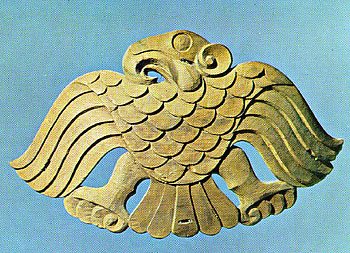
SYMBOL OF UYGHUR PEOPLE